Need help with booking? Send us a message.
3 Star Hotel in Kathmandu and Teahouse Lodge during the trek
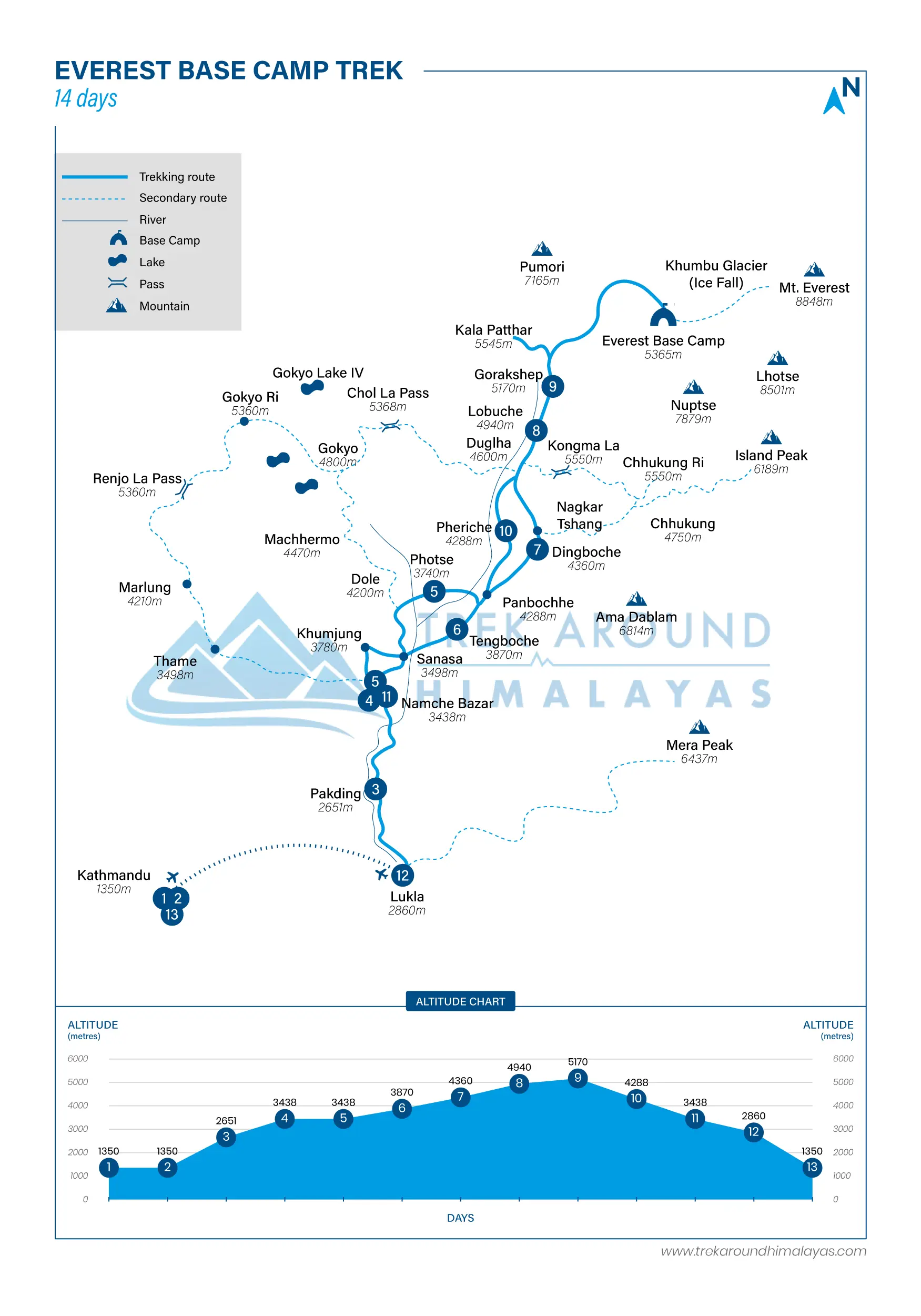
Kathmandu- Lukla- Phakding-Namche Bazaar- Tengboche- Dingboche- Lobuche- Gorakshep- Kala Patthar- Pheriche- Namche Bazaar- Lukla- Kathmandu
The Everest Base Camp Trek is one of the world's most iconic trekking adventures, offering an unforgettable journey into the heart of the Himalayas. This remarkable trek takes you through the breathtaking landscapes of Sagarmatha National Park, a UNESCO World Heritage Site renowned for its towering peaks, glaciers, alpine forests, diverse wildlife, and rich Sherpa culture.
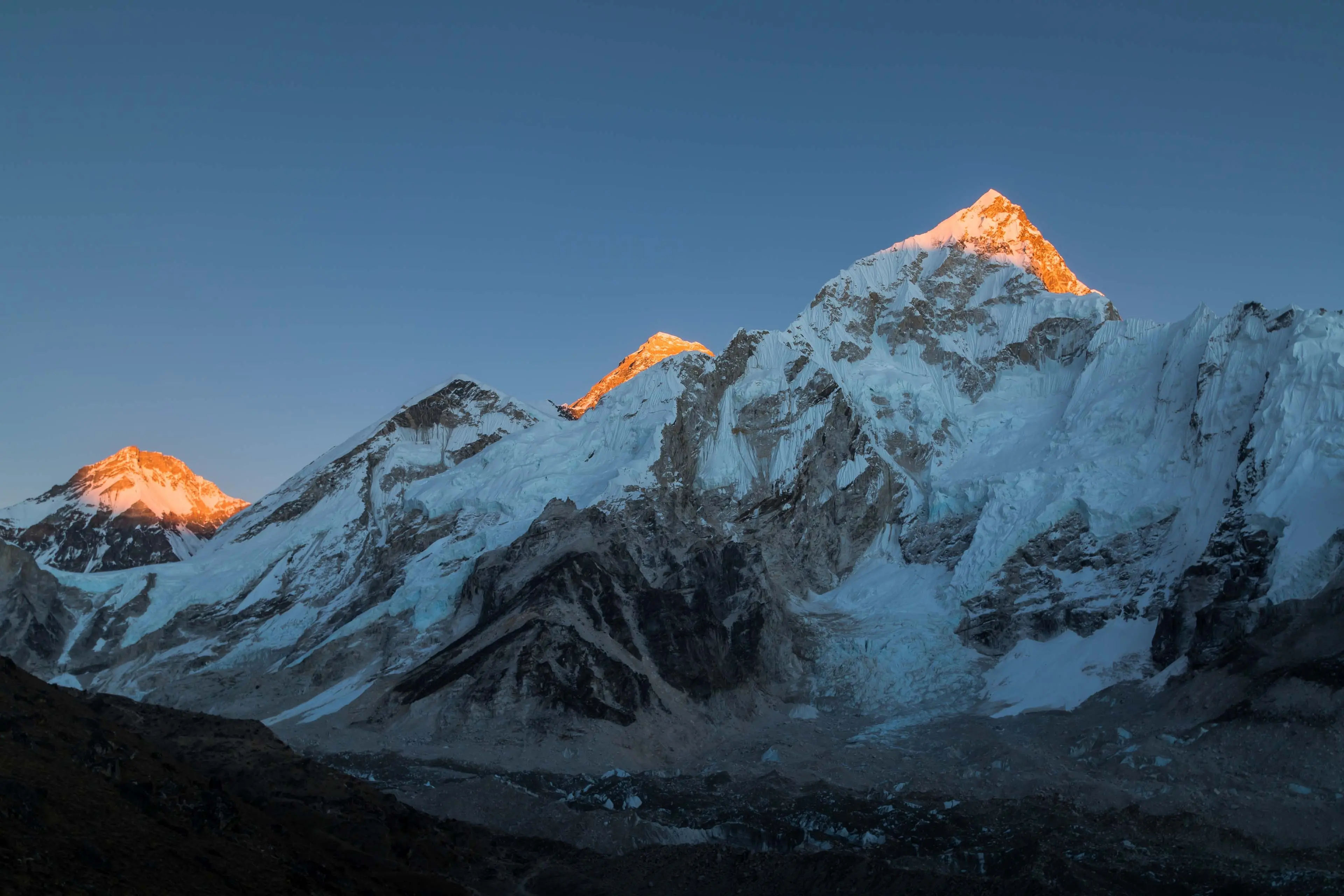
Your adventure begins with a scenic flight to Lukla, the gateway to the Everest region. From here, the trail follows the Dudh Koshi River through traditional Sherpa villages such as Namche Bazaar, Tengboche, and Dingboche. Along the way, you'll experience warm local hospitality, visit ancient monasteries, and enjoy spectacular views of some of the world's most beautiful mountains, including Mount Everest, Ama Dablam, Lhotse, Nuptse, Thamserku, and many other snow-capped peaks.
To ensure a safe and enjoyable journey, the trek includes acclimatization days in Namche Bazaar and Dingboche, allowing your body to adjust to the increasing altitude. As you ascend deeper into the Khumbu region, the landscapes become more dramatic, with glaciers, rocky terrain, and panoramic mountain vistas at every turn.
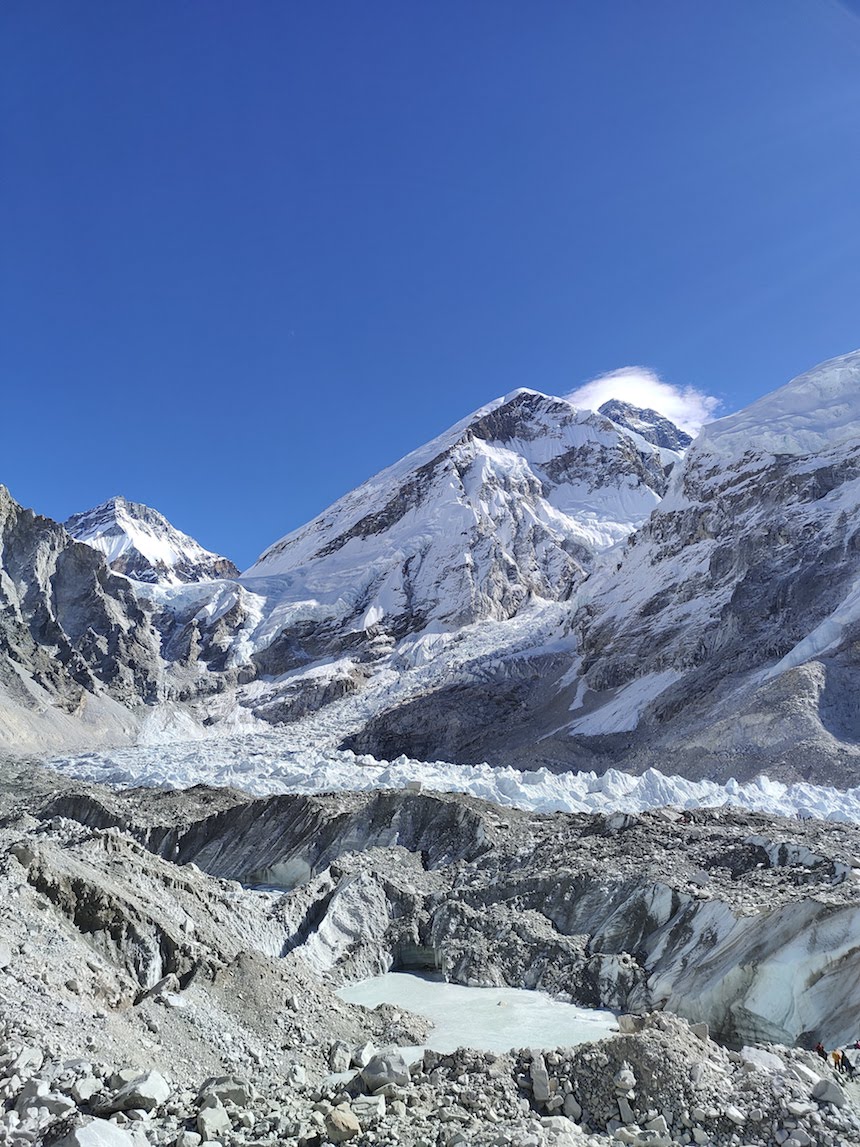
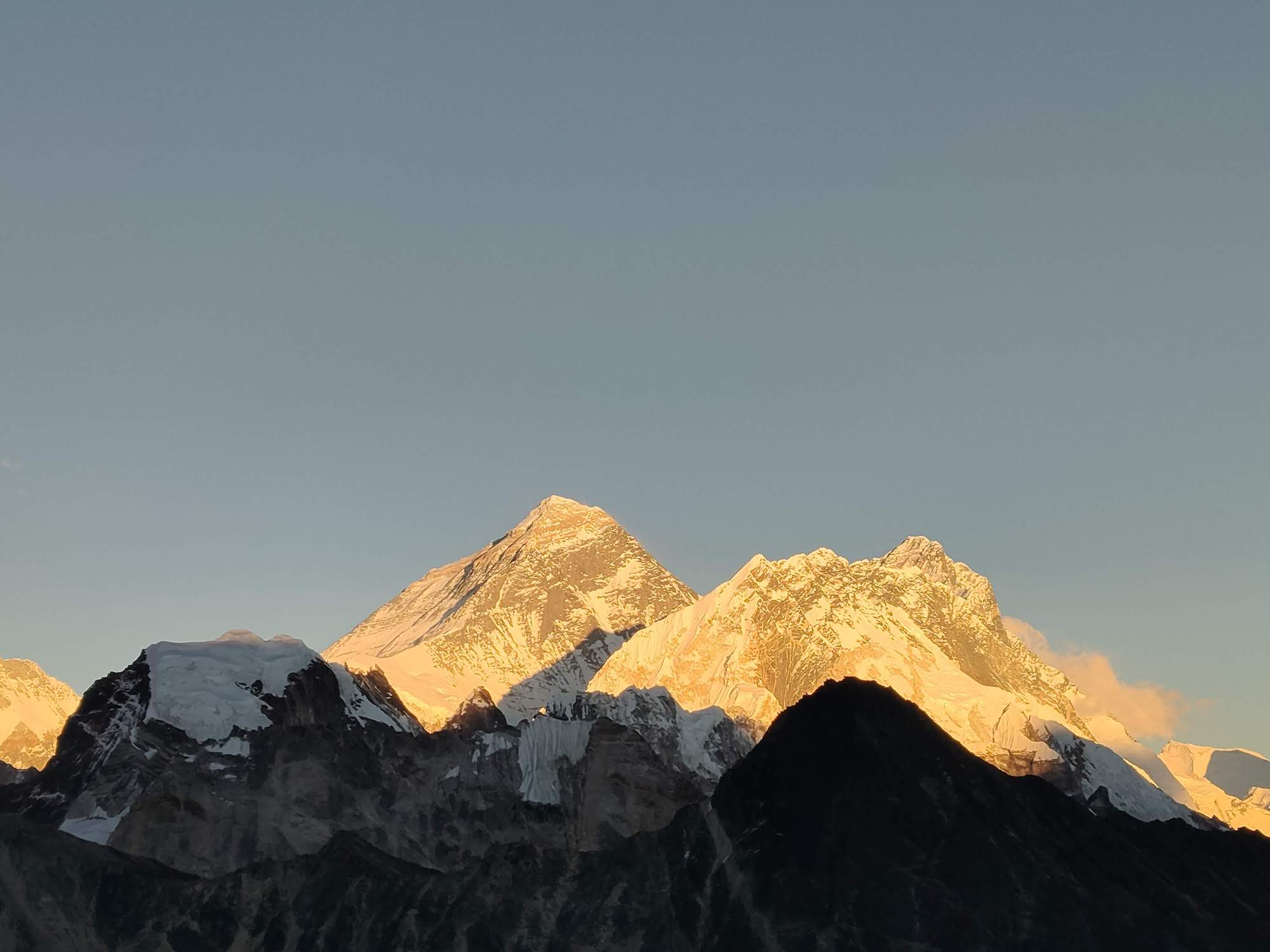
The highlight of the trek is reaching Everest Base Camp (5,364 m), situated beside the legendary Khumbu Icefall. Another unforgettable experience is the early morning hike to Kala Patthar (5,555 m), the highest point of the trek and the finest viewpoint for close-up views of Mount Everest and the surrounding Himalayan giants.
Covering approximately 138 km (85.7 miles), the Everest Base Camp Trek is considered a moderately challenging adventure suitable for physically fit trekkers with good stamina. While no technical climbing skills are required, the high altitude and daily walking demands make proper preparation essential.
The best seasons for the Everest Base Camp Trek are spring (March–May) and autumn (September–November), when clear skies, stable weather, and excellent mountain visibility create ideal trekking conditions.
Combining stunning natural beauty, rich Himalayan culture, and the achievement of standing at the base of the world's highest mountain, the Everest Base Camp Trek is truly a once-in-a-lifetime experience and a dream adventure for trekkers from around the globe.
Trekking Mode: Lodges & guesthouses (Lukla to Lukla)
Grade: Moderate to adventurous (high altitude)
Region: Khumbu-Everest, Far North Mid-East Nepal
Highest Points: Kala Patthar (5,555m) & Everest Base Camp (5,364m)
Culture: Sherpa communities, Tibetan Buddhist traditions
Trekking Duration: 10 Nights/11 Days (Lukla to Lukla)
Total Trip: 12 Nights/13 Days (arrival to departure)
Best Seasons: Spring (Mar-May) & Autumn (Sep-Dec); In Winter trekking possible but very cold
Upon your arrival at Tribhuvan International Airport, you will be warmly welcomed by a representative from Trek Around Himalayas, who will assist you with your transfer to the hotel in Kathmandu. After check-in, you can rest and recover from your journey or explore the vibrant streets of Thamel if time permits. In the evening, a short briefing will be conducted regarding the Everest Base Camp Trek itinerary, essential packing tips, altitude awareness, and safety guidelines. This day is mainly for relaxation and preparation as you acclimate to the local environment and get ready for the adventure ahead.
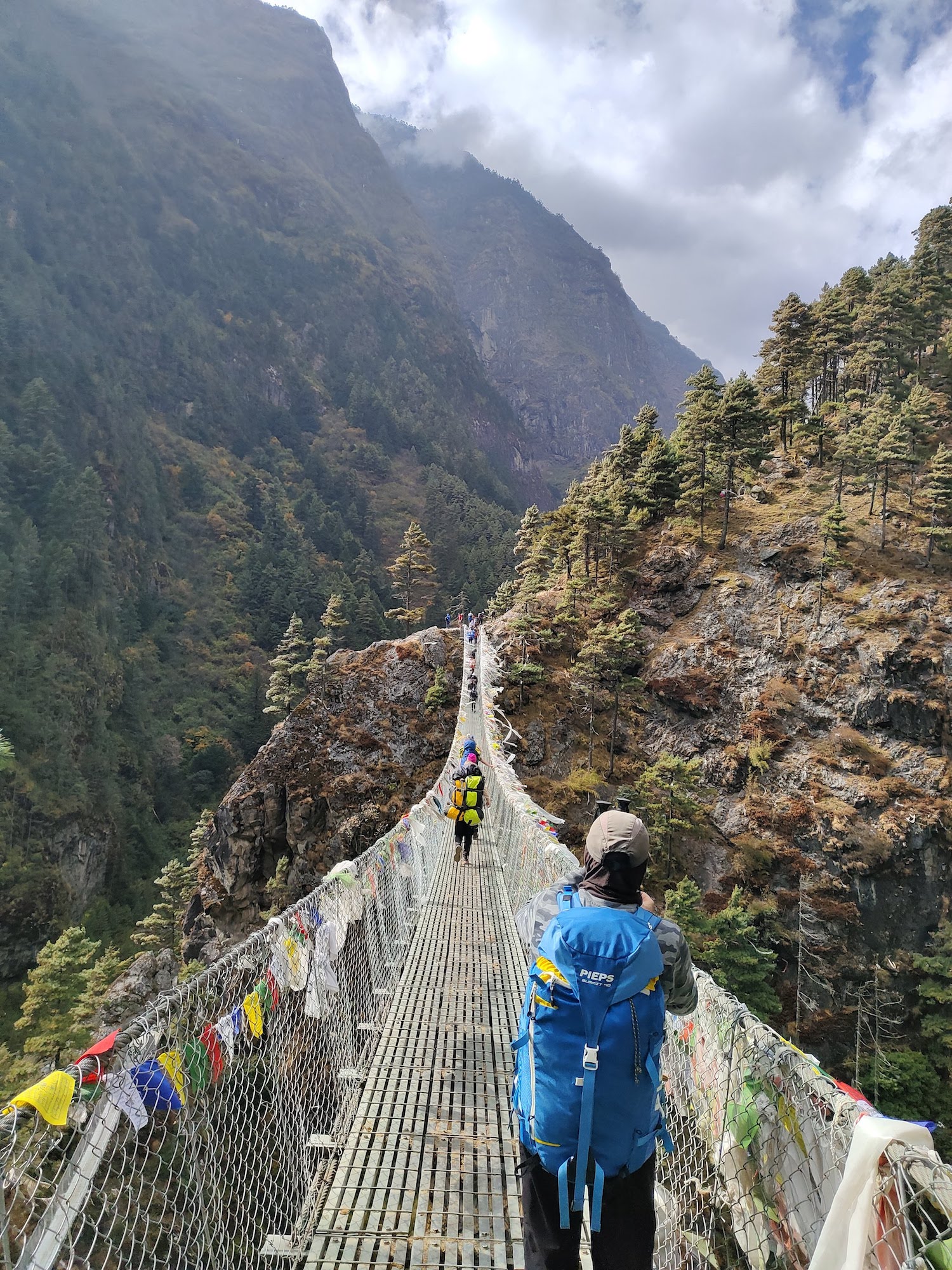
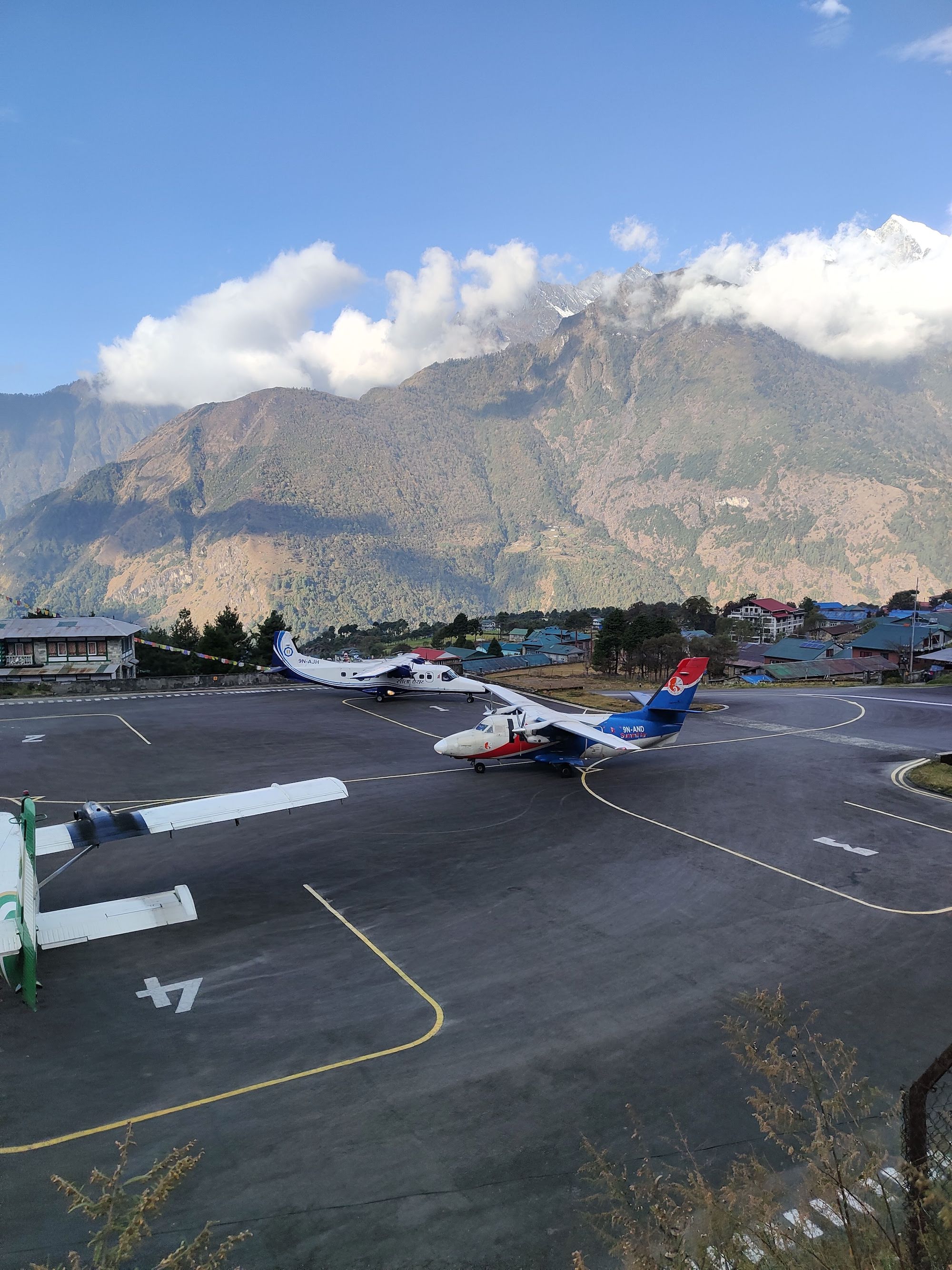
Early morning, you will take a scenic and thrilling mountain flight from Kathmandu to Lukla, one of the world’s most famous high-altitude airports. Upon landing, the trekking journey begins immediately with a gentle descent toward the beautiful Dudh Koshi Valley. The trail passes through small Sherpa settlements, suspension bridges, and lush forests before reaching Phakding. This first trekking day is relatively easy, designed to help your body adjust to walking at altitude. With guidance from Trek Around Himalayas, you will enjoy your first Himalayan trekking experience surrounded by rivers, mountains, and peaceful landscapes.
After breakfast, the trail continues along the Dudh Koshi River, crossing several suspension bridges and entering the Sagarmatha National Park region. The trek gradually becomes more challenging as you ascend toward Namche Bazaar, the main trading hub of the Everest region. The final uphill section is steep and demanding, but the stunning views of snow-capped peaks make the effort worthwhile. With support from Trek Around Himalayas, you will move at a steady pace, ensuring proper acclimatization. Namche Bazaar offers comfortable lodges, bakeries, and breathtaking Himalayan panoramas.
This day is reserved for acclimatization in Namche Bazaar to help your body adjust to higher altitude. A short hike to nearby viewpoints such as the Everest View Hotel or Khumjung village is typically included. These excursions provide panoramic views of Mount Everest, Lhotse, and Ama Dablam. You can also explore the local markets, visit the Sherpa Museum, or interact with the local community. Trek Around Himalayas ensures that this rest day is both relaxing and productive, helping reduce the risk of altitude sickness while still keeping you active in a controlled manner.
The trail from Namche leads through rhododendron forests, alpine landscapes, and gradual descents before a steady climb toward Tengboche Monastery. This monastery is one of the most important spiritual sites in the Everest region, offering incredible views of Ama Dablam and surrounding peaks. The peaceful environment, combined with the chanting of monks, creates a deeply spiritual atmosphere. The trek is moderately challenging, but Trek Around Himalayas ensures a comfortable pace with regular breaks, allowing you to fully enjoy the natural beauty and cultural richness of the region.
After visiting Tengboche Monastery, the trail descends through forests before crossing the Imja Khola and gradually ascending toward Dingboche. The landscape becomes more rugged and alpine, with fewer trees and wider mountain views. This part of the journey introduces you to higher-altitude terrain, where air becomes thinner and trekking requires a slower pace. Trek Around Himalayas guides ensure proper hydration and rest intervals. Dingboche is a beautiful village surrounded by stone-walled fields and towering peaks, offering a peaceful resting point for trekkers heading deeper into the Himalayas.
A second acclimatization day is spent in Dingboche to further adapt to the increasing altitude. A short hike to Nagarjun Hill or nearby ridges is often included, providing stunning views of Makalu, Lhotse, and Island Peak. This activity helps improve oxygen efficiency and prepares your body for higher elevations ahead. You may also rest in the village, enjoy warm meals, and interact with fellow trekkers. With Trek Around Himalayas, this day balances rest and light activity, ensuring you are well-prepared for the more demanding sections of the trek.
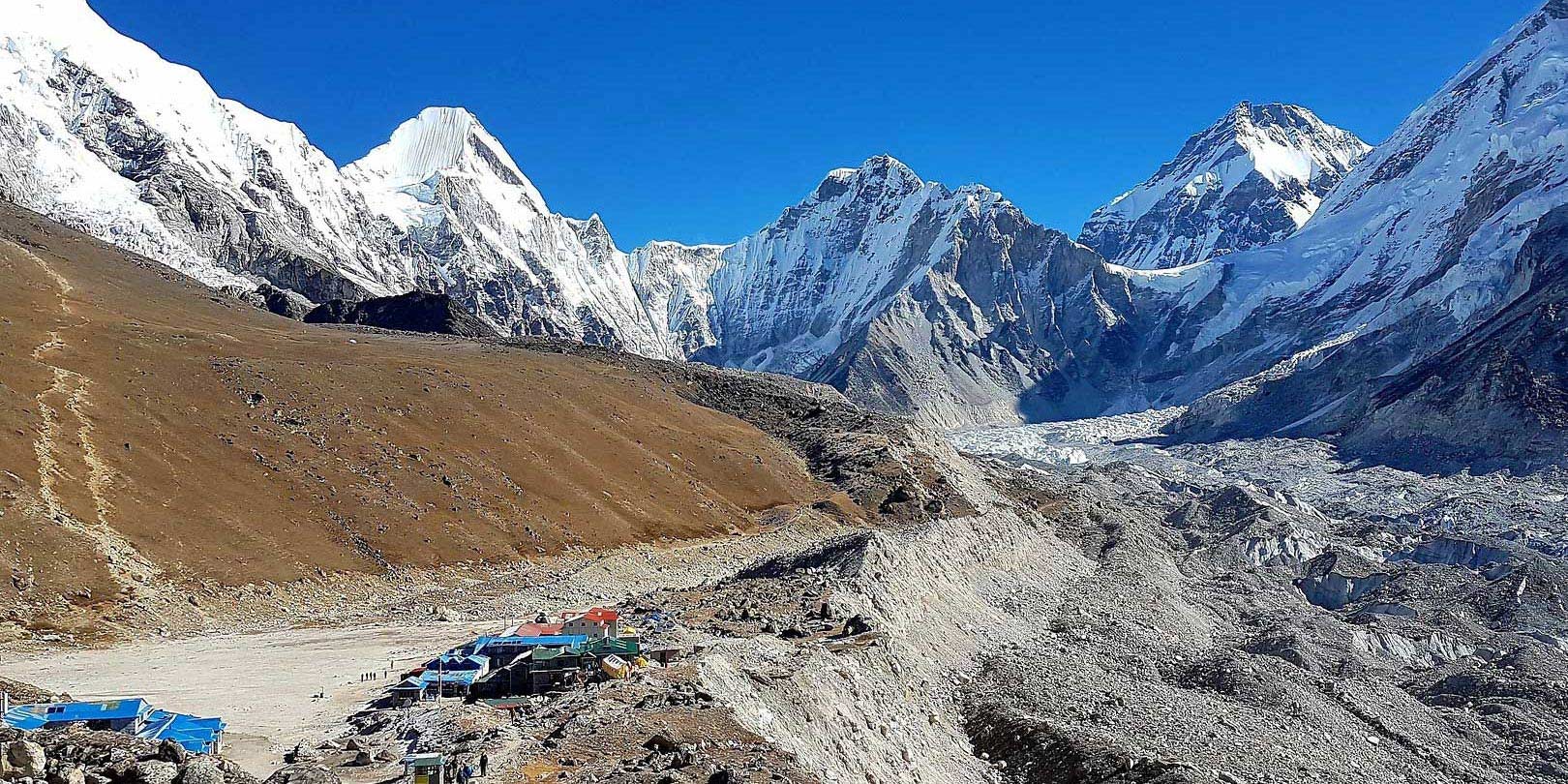
The trail climbs steadily through alpine valleys and glacial moraines toward Lobuche. As you ascend, vegetation disappears, and the landscape becomes increasingly rugged and dramatic. You will pass memorials dedicated to climbers who lost their lives on Everest, a sobering reminder of the mountain’s power. The air is thinner, and the trek becomes more demanding, requiring a slow and steady pace. Trek Around Himalayas ensures proper acclimatization breaks and safety monitoring throughout the journey. Lobuche offers basic but comfortable teahouses with breathtaking views of surrounding peaks.
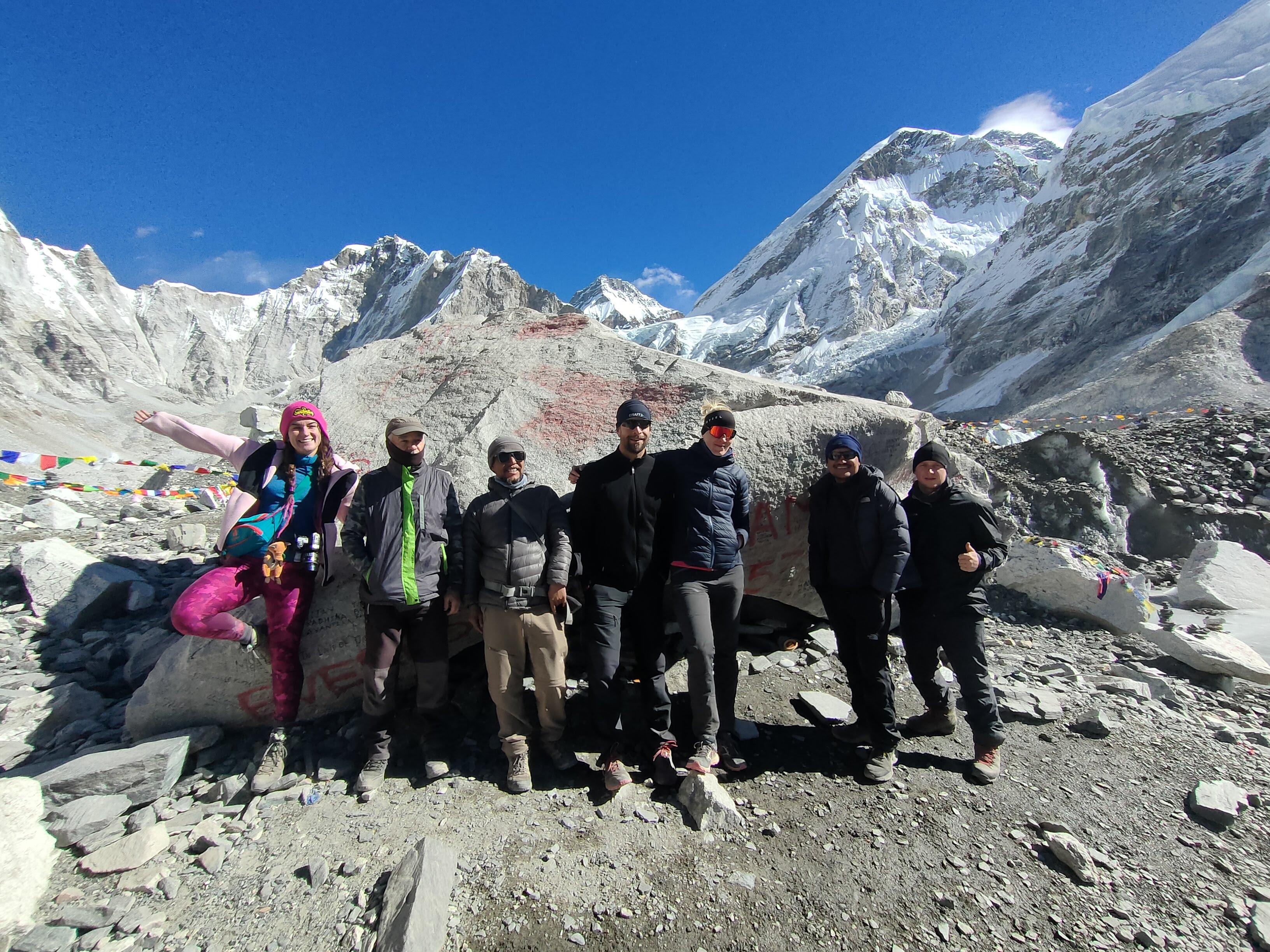
This is one of the most important days of the journey as you trek toward Everest Base Camp. The trail follows the Khumbu Glacier, offering surreal views of ice formations and towering peaks. After reaching Base Camp, you will celebrate your achievement before returning to Gorak Shep for the night. The trek is long and challenging due to altitude, but Trek Around Himalayas ensures steady pacing and support throughout. This unforgettable day marks a major milestone in your Himalayan adventure.
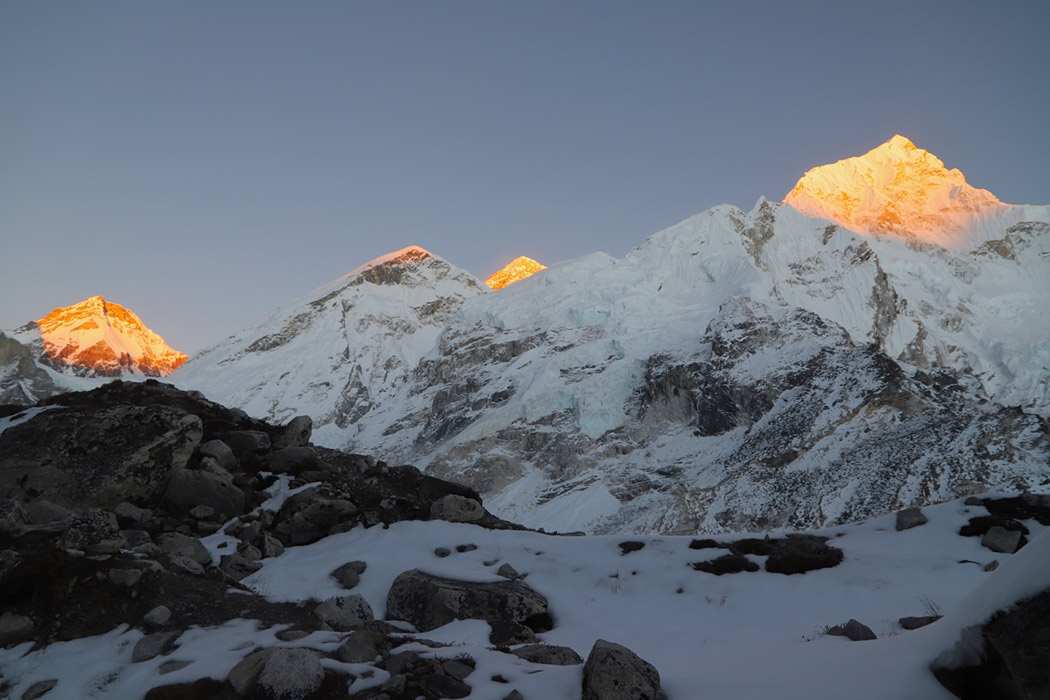
Early morning, you hike to Kala Patthar for the best panoramic view of Mount Everest, especially during sunrise. After spending time at the viewpoint, you descend back to Gorak Shep and continue trekking down toward Pheriche. The descent provides relief as oxygen levels gradually increase. This long trekking day is rewarding and scenic, offering continuous views of Himalayan giants. With Trek Around Himalayas, the descent is carefully managed to reduce fatigue and ensure safety while enjoying the dramatic mountain scenery.
The trail descends through alpine valleys, crossing rivers and passing familiar landscapes as you head back toward Namche Bazaar. The return journey feels easier as oxygen levels increase and your body begins to recover. You pass through traditional Sherpa villages and forests, reflecting on the incredible journey completed so far. Trek Around Himalayas maintains a comfortable pace, ensuring you enjoy the scenery without strain. Reaching Namche feels like returning to civilization after days in high-altitude wilderness.
This is the final trekking day as you descend from Namche Bazaar back to Lukla. The trail includes steep descents, suspension bridges, and river valleys, making it a long but satisfying journey. You will celebrate the completion of the trek with your guide and fellow trekkers in the evening. Trek Around Himalayas ensures a safe and relaxed pace, allowing you to reflect on the unforgettable Everest Base Camp experience while enjoying the last views of the Himalayan landscape.
Early morning, you board a scenic flight from Lukla back to Kathmandu. Upon arrival, you will be transferred to your hotel by Trek Around Himalayas. The rest of the day is free for relaxation, souvenir shopping, or exploring the city. This marks the successful completion of your Everest Base Camp Trek. You leave with lifelong memories of mountains, culture, and adventure, along with a deep sense of achievement from reaching the base of the world’s highest peak.
Your Start Date is the day you land in Nepal, and your End Date is when you fly home.
If the set Everest Base Camp Trek- 13 Days group dates don’t suit your schedule, we can offer alternative dates upon request.
Outer Layers
Mid Layers
Trekking Clothing
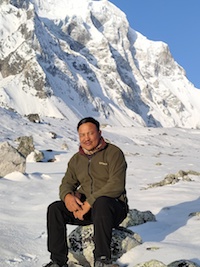
It's a great pleasure to introduce myself that I had visited the Everest Base camp in Nepal last month along with Mr. Ang Dendu Sherpa and Mr.Chandra Gurung who were from the Everest Mountain area and it was scheduled by Mr. Bimal Kumar Malla Managing Director and organizer. Now I would like to recommend those enthusiastic individuals who wish to visit Everest Mountain and its sisters' mountain.
大変おすすめです!世界一高い山の美しさはとても言葉にはなりません。とにかくビマールさんたちに感謝をしたいです。かれらは落ち着いて心優しく、最初から最後まで何も知らない私たちを案内してくれました。是非またある日一緒にヒマラヤへ戻りたいです!
"Everest Base Camp Trek was an unforgettable experience. The journey was physically demanding, but the stunning scenery and the warm hospitality of the local communities made it all worth it. The views of the Himalayas, including the highest peak in the world, Mount Everest, were simply breathtaking. The trek was well-organized by Trek Around Himalayas and the guides were knowledgeable and supportive, making the entire experience stress-free. I highly recommend the Everest Base Camp Trek to anyone seeking a challenging and rewarding adventure."
"The Everest Base Camp Trek was an incredible journey that tested my physical and mental limits, but the rewards were simply incomparable. The trek took me through beautiful landscapes, traditional villages, and high mountain passes, providing a true cultural and natural experience. The views of the surrounding peaks, including Mount Everest, were simply stunning, and I was humbled by their grandeur. I also appreciated the support and guidance of the Trek Around Himalayas and the friendly locals who welcomed us with open arms. Our guide Krishna was very much knowledgeable about the region. This trek is a must-do for anyone who loves adventure and wants to experience the beauty of the Himalayas."
The Everest Base Camp (EBC) Trek is one of the most popular trekking adventures in the world. It takes you through the stunning landscapes of the Khumbu region in Nepal, leading to the base of Mount Everest, the highest peak on Earth. The trek offers breathtaking views of snow-capped peaks, charming Sherpa villages, ancient monasteries, and rugged trails. It is a once-in-a-lifetime experience that allows trekkers to immerse themselves in the culture and beauty of the Himalayas.
The standard Everest Base Camp trek takes about 12 to 14 days, including acclimatization days. Most itineraries follow a route from Lukla to Everest Base Camp and back, covering approximately 130 km (round trip). Some variations, such as adding Gokyo Lakes or taking helicopter returns, may alter the duration.
While it is possible to trek independently, hiring a guide and porter is highly recommended. A guide provides navigation, safety, and cultural insights, while a porter carries your heavy load, allowing you to enjoy the trek with less strain. Nepal has also introduced new trekking regulations requiring trekkers to hire licensed guides in certain regions.
Altitude sickness (Acute Mountain Sickness or AMS) is a common concern on the Everest Base Camp trek due to high elevations. Symptoms include headaches, nausea, dizziness, and shortness of breath. To prevent AMS, trekkers should acclimatize properly by taking rest days, staying hydrated, ascending gradually, and avoiding alcohol and smoking. Carrying medication like Diamox can also help reduce symptoms.
Yes, travel insurance is essential for the Everest Base Camp trek. It should cover high-altitude trekking (above 5,500m) and emergency evacuation. Without insurance, helicopter rescues can be extremely expensive. Trekkers should ensure their policy includes trip cancellations, medical expenses, and baggage loss.
Yes, beginners can complete the trek with proper preparation. While no technical skills are needed, trekkers should train for endurance, stamina, and strength. Cardiovascular exercises, hiking practice, and altitude awareness will help first-timers successfully reach Everest Base Camp.