Who doesn’t like a good hike—especially one where nature feels untouched, raw, and overwhelmingly beautiful? That’s exactly what trekking in Nepal offers. A land where green hills slowly rise into towering Himalaya, where every trail feels like a story, and where even the simplest walk turns into a life-changing experience.
If you are searching for the best trek in Nepal for beginners, you are not alone. Every year, thousands of first-time travelers dream about stepping into the Himalayas, yet most of them feel confused at the beginning. Which trek to choose? Is it safe? How difficult will it be? What happens after landing?
This guide answers everything—but not like a typical article. This is a complete travel journey, starting from the moment you land in Kathmandu, walking through real situations, real decisions, and guiding you step-by-step toward choosing the perfect beginner-friendly trek.
The moment your plane lands at Tribhuvan International Airport, the experience begins instantly. The air feels different—slightly chaotic, slightly spiritual, and deeply alive. After immigration and baggage, your first instinct might be excitement, but the smartest thing you can do is slow down. Rest is not optional here; it is essential. Whether you are a backpacker choosing a hostel or someone opting for a comfortable or luxury hotel, settling down properly is your first preparation for trekking.
Most travelers head toward Thamel, the vibrant heart of tourism in Kathmandu. As you step into its narrow streets, you’ll find a world built for travelers—gear shops, cafés, trekking agencies, music, lights, and conversations from across the globe. It feels like a perfect starting point, but it also introduces your first real challenge.
While walking through Thamel, it’s very common to be approached by street guides or agents offering “cheap trekking deals” or “special discounts.” At first, it may sound helpful, especially if you are new. But this is where many beginners make their first mistake. Not everyone offering help is trustworthy. Some may push you into quick decisions, offer unclear pricing, or fail to deliver proper services later. The reality is simple—if something feels too easy or too cheap, it usually comes with hidden risks.
The smarter approach is to stay patient. Talk to your hotel, research online, and choose a registered trekking company with transparent pricing and real reviews. This one decision can define your entire experience in Nepal.
Another thing beginners often overlook is food and health. After arrival, your body is adjusting to a new environment, new bacteria, and new routines. Street food may look tempting, and local markets are full of colorful dishes, but jumping into it too quickly can cause stomach issues. Even a small health problem can disrupt your trekking plan, especially when heading into higher altitudes. Drinking safe water, eating freshly cooked meals, and avoiding unhygienic places is not just advice—it is a necessary step for a successful trek.
Once you’ve settled, explored a bit, and adjusted your body, the biggest question finally arrives: what is the best trek in Nepal for beginners?
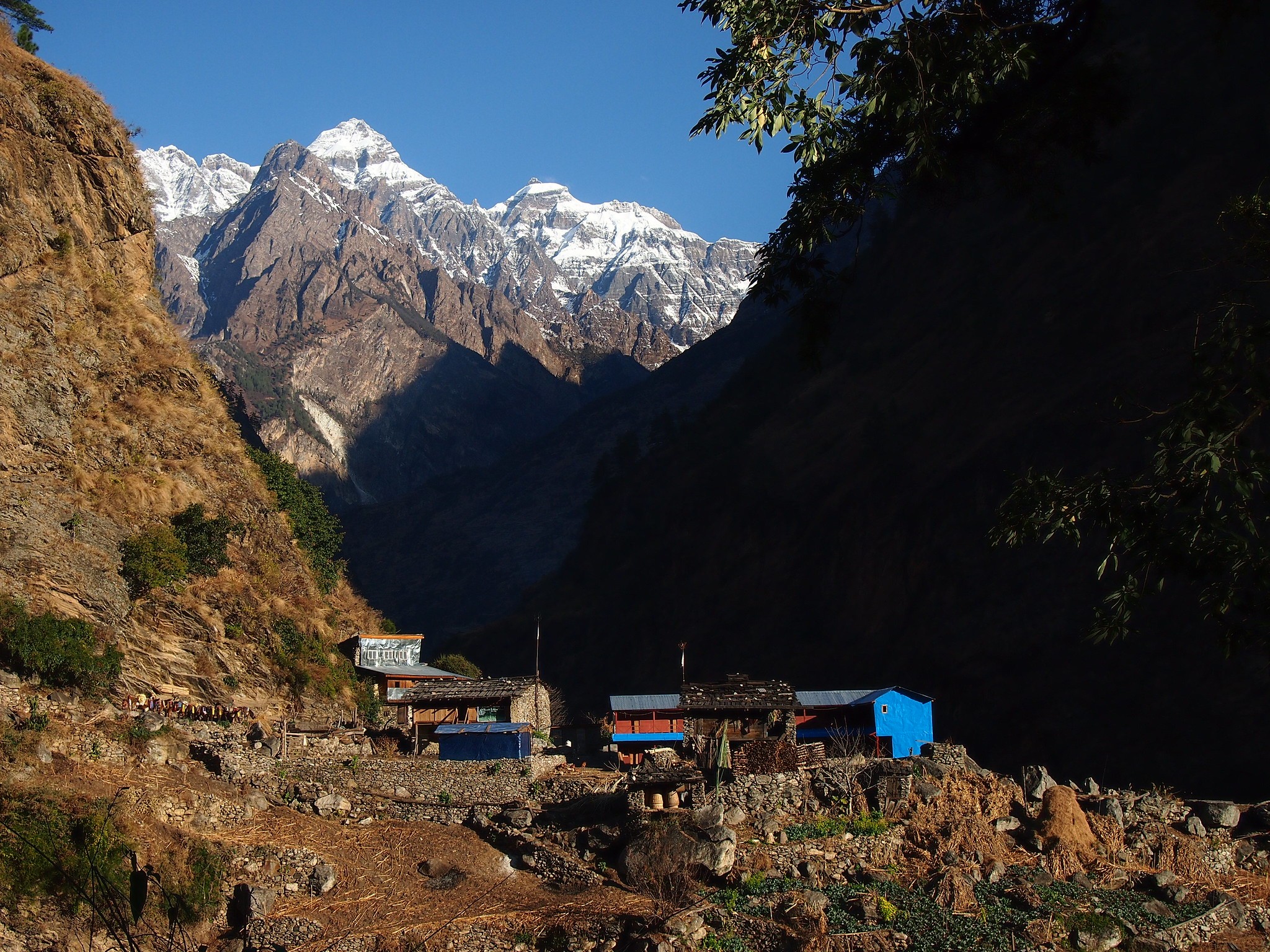
This is where most people go wrong. They often choose treks based on popularity rather than suitability. Famous routes like Everest Base Camp or the demanding Manaslu Circuit attract global attention, but they are not ideal for first-time trekkers. These routes require long walking days, high altitude adaptation, and strong physical and mental endurance. Choosing them without experience can turn an exciting journey into a difficult struggle.
Instead, Nepal offers something truly special for beginners—treks that are easier, shorter, and equally rewarding.
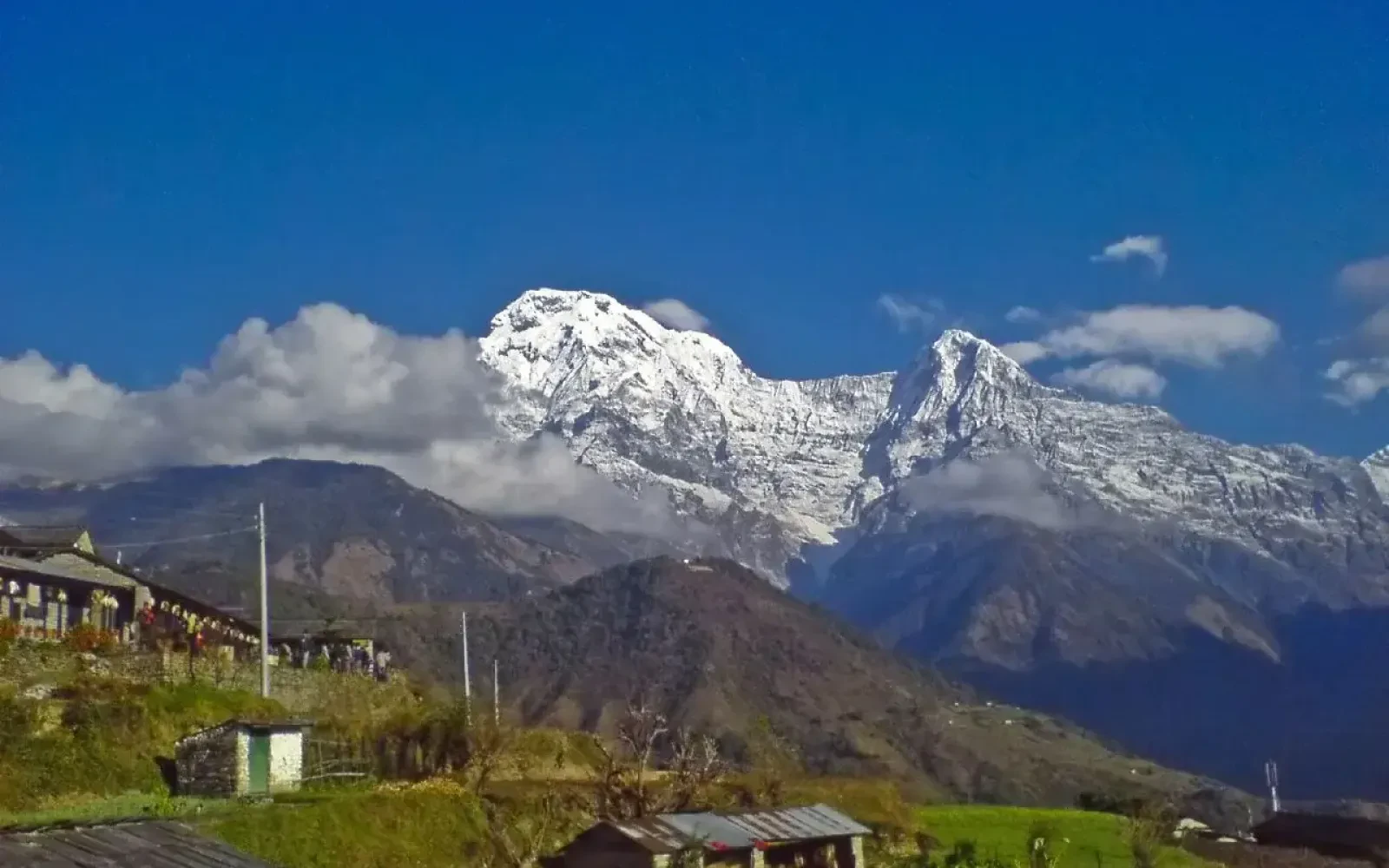
Among all options, the trail of Ghorepani Poon Hill stands out as the best trek in Nepal for beginners. It is short, comfortable, and incredibly scenic. The journey moves through lush forests, traditional villages, and gentle uphill paths that don’t overwhelm the body. The highlight comes early in the morning at Poon Hill, where the sunrise slowly reveals the Annapurna range, painting the sky with golden light. It is one of those moments where you realize trekking is not about difficulty—it’s about connection.
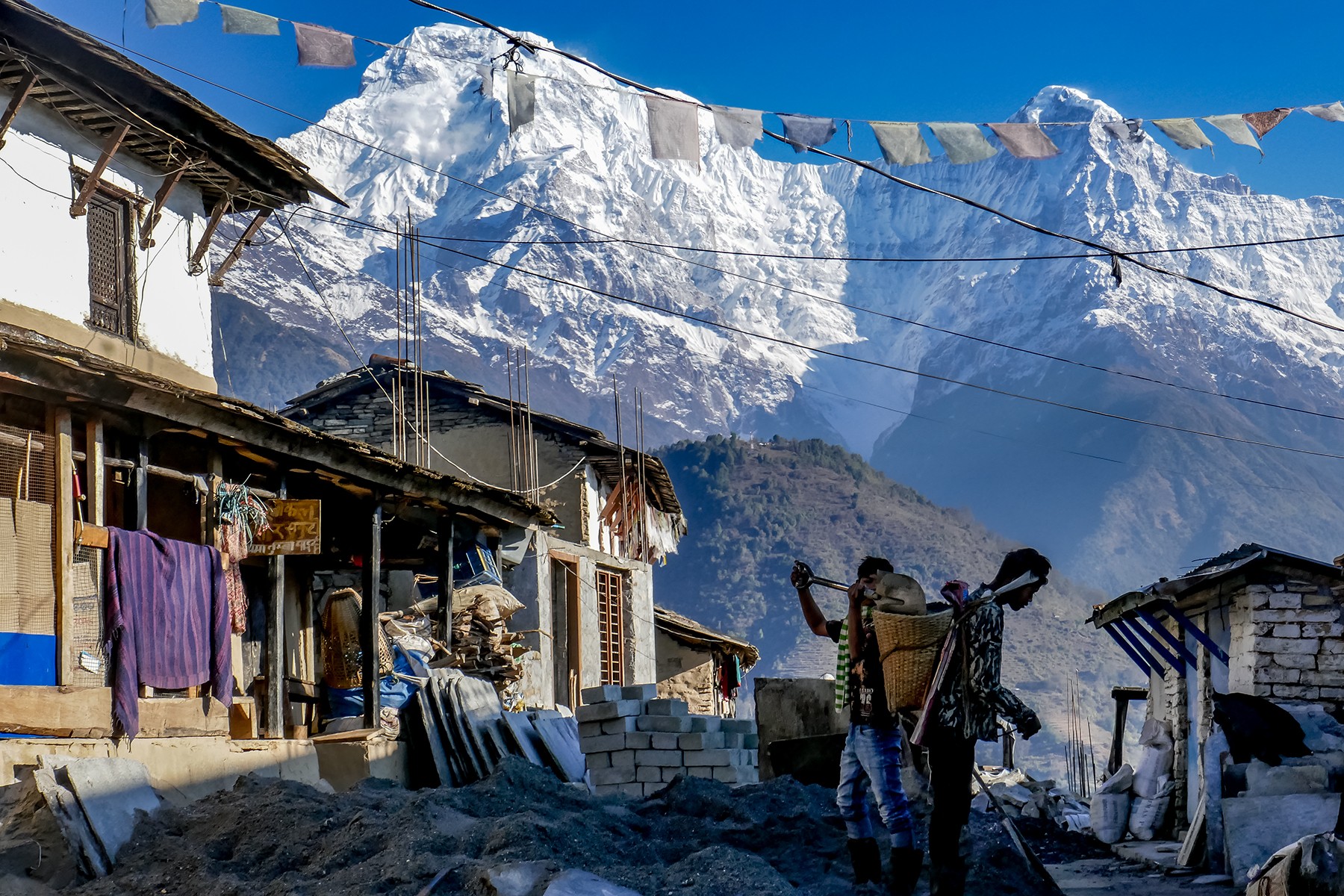
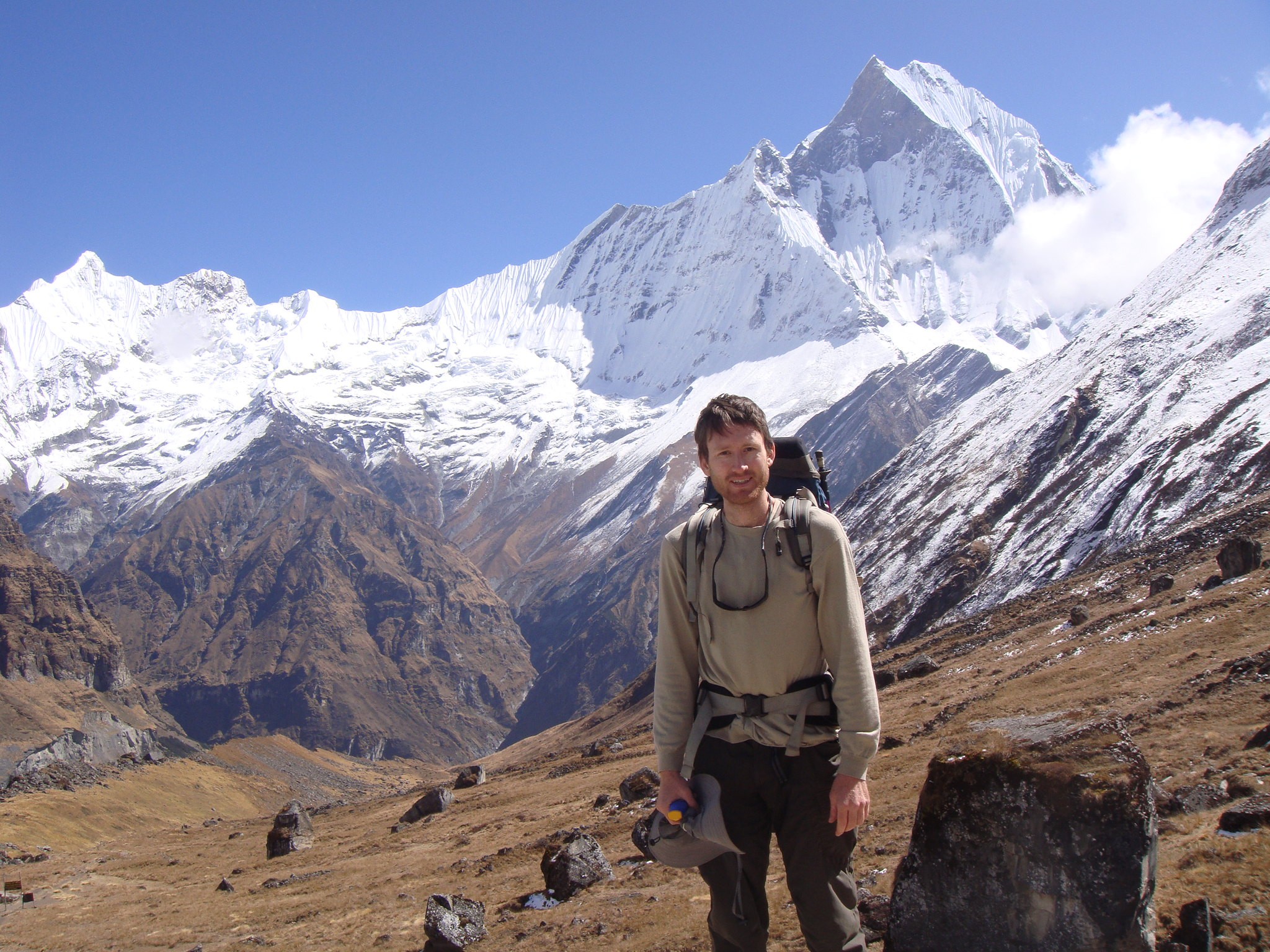
For those who want a slightly deeper experience without pushing too hard, the Annapurna Base Camp trek offers a balanced challenge. It requires more days and a bit more stamina, but rewards you with close-up Himalayan views and a strong sense of achievement. Walking through the Annapurna region feels like moving through different worlds—villages, forests, rivers, and finally into a natural amphitheater of mountains.
There are also quieter and less crowded options like the Mohare Danda trek, where the journey focuses more on peace, community, and nature. These trails are perfect for beginners who want something unique, away from busy routes.
Not every beginner, however, needs to go high into the mountains. Some travelers prefer combining light trekking with relaxation. In such cases, visiting Pokhara becomes an essential part of the journey. With its calm lakes, mountain views, and adventure activities like paragliding, Pokhara offers a perfect balance between comfort and exploration. Similarly, a visit to Chitwan National Park adds a completely different dimension, where jungle safaris and wildlife encounters replace mountain trails.
Preparation for these beginner treks is surprisingly simple. You don’t need expensive gear or extreme fitness. A comfortable pair of trekking shoes, light clothing, a small backpack, and essentials are enough. Fitness-wise, if you can walk for a few hours a day and handle gentle uphill paths, you are ready. Trekking in Nepal for beginners is not about pushing limits; it is about enjoying each step.
Weather, however, plays an important role. The best seasons for trekking are spring and autumn. During these times, the skies are clear, the temperature is comfortable, and the views are at their best. Autumn, in particular, offers stable weather and crystal-clear mountain visibility, making it the most preferred season. Spring brings blooming forests, especially rhododendrons, adding color to the trails. Monsoon and winter, while still possible for certain routes, can create additional challenges like slippery paths or extreme cold, which beginners should approach carefully.
As your plan becomes clearer, the final and most important decision comes down to choosing the right trekking company. This is not just about booking a trip—it’s about trusting someone with your safety, time, and experience. A good company will provide clear pricing, experienced guides, proper support, and honest communication. Avoid those who pressure you, hide costs, or rush your decisions.
The journey of a beginner trekker in Nepal always follows a similar path. First comes curiosity, then research, followed by comparison, and finally a decision. Most people start by searching for the best trek in Nepal for beginners, then explore cost, safety, difficulty, and preparation. This natural process is what leads them from uncertainty to confidence.
In the end, trekking in Nepal is not about conquering the highest peaks. It is about starting your journey the right way. It is about walking through forests, meeting people, breathing fresh mountain air, and discovering something new within yourself.
Your first trek doesn’t need to be the hardest. It just needs to be the right one.
Start small, choose wisely, and let the Himalayas introduce themselves to you step by step. And once you complete your first trek, you’ll understand why Nepal is not just a destination—it’s an experience that calls you back again and again.
Ready to Start Your First Trek in Nepal?
Whether it’s your first Himalayan adventure or a peaceful stroll through the Annapurna region, we are here to guide you every step of the way.
At Peace House Backpacker Hostel in Thamel, Kathmandu, we don’t just offer a place to stay—we are a family that connects travelers with the best beginner-friendly treks in Nepal. From Ghorepani Poon Hill to Annapurna Base Camp, we ensure your journey is safe, enjoyable, and unforgettable.
WhatsApp us now at +977 9851100478 for personalized trekking plans or any queries.
Prefer email? Send us a message anytime—we’ll respond with the best options for your adventure.
Stay with us at Family Peace House Backpacker Hostel and start your trek fully rested, guided by locals, and immersed in Nepali culture.
Don’t wait—your Himalayan adventure begins the moment you reach Nepal. Contact Bimal Malla and Family Peace House, and then make your first trek truly unforgettable!
Q1: What is the best trek in Nepal for beginners?
The best trek in Nepal for beginners is the Ghorepani Poon Hill trek. It is short, easy to moderate, and offers stunning Himalayan views without requiring prior trekking experience.
Q2: Is trekking in Nepal safe for beginners?
Yes, trekking in Nepal is generally safe for beginners if you choose easy routes, follow proper guidance, and book with a reliable trekking company. Avoiding scams, eating safely, and staying hydrated are important factors.
Q3: Do beginners need a guide for trekking in Nepal?
Beginners are highly recommended to hire a guide, especially for their first trek. A guide helps with navigation, safety, local knowledge, and overall experience, making your journey smoother and more enjoyable.
Q4: How difficult is trekking in Nepal for beginners?
Trekking in Nepal for beginners is usually easy to moderate, depending on the route. Short treks like Ghorepani Poon Hill are manageable for anyone with basic fitness.
Q5: What is the best time for beginners to trek in Nepal?
The best time to trek in Nepal is during autumn (September–November) and spring (March–May). These seasons offer clear skies, stable weather, and comfortable temperatures.
Q6: How much does a beginner trek in Nepal cost?
The cost of a beginner trek in Nepal can range from $20 to $60 per day, depending on the trekking region, accommodation, guide services, and personal preferences.
Q7: Can beginners do the Everest Base Camp trek?
Yes, beginners can do the Everest Base Camp trek, but it is physically demanding and requires good preparation. It is not the easiest option for first-time trekkers.
Q8: What should beginners pack for trekking in Nepal?
Beginners should pack light essentials such as comfortable trekking shoes, layered clothing, a small backpack, a water bottle, and basic medicines. Heavy gear is not necessary for easy treks.
Q9: How many days do beginners need for trekking in Nepal?
Beginners can complete short treks in 3–5 days, while moderate treks may take 7–12 days, depending on the route and pace.
Q10: Is altitude sickness a concern for beginner trekkers?
Yes, altitude sickness can affect beginners, especially above 2,500 meters. Choosing lower-altitude treks and ascending gradually helps reduce the risk.
Q11: Where do beginners stay during trekking in Nepal?
Most beginners stay in teahouses along trekking routes. These are simple lodges that provide basic accommodation, meals, and a chance to interact with locals.
Q12: What is the easiest trekking region in Nepal for beginners?
The Annapurna region is considered the easiest and most beginner-friendly trekking region due to its well-marked trails and accessibility.
Q13: Can I trek in Nepal without prior experience?
Yes, you can trek in Nepal without prior experience if you choose beginner-friendly routes and prepare properly with basic fitness and planning.
Q14: What should I avoid as a beginner trekker in Nepal?
Beginners should avoid:
Q15: Is Nepal good for first-time trekkers?
Absolutely. Nepal is one of the best destinations in the world for first-time trekkers due to its variety of trails, cultural experiences, and stunning Himalayan scenery.
Q16: How do beginners acclimatize in Nepal?
Beginners should take it slow, stay hydrated, and include rest days during the trek. Walking at a relaxed pace and avoiding rapid ascent helps prevent altitude sickness and ensures a comfortable experience.
Q17: Can beginners trek independently, or should they join a group?
While experienced trekkers may go independently, beginners are highly recommended to join a guided group or hire a local guide. This ensures safety, easy navigation, and better support in case of emergencies.
Q18: Are there short treks suitable for beginners in Nepal?
Yes, there are many short treks for beginners, such as Ghorepani Poon Hill (4–5 days), Panchase Trek (3–4 days), and Balthali Village Trek (3–5 days). These are perfect for first-time trekkers who want an introduction to the Himalayas.